What to Expect When You Hire SEO Services for the First Time
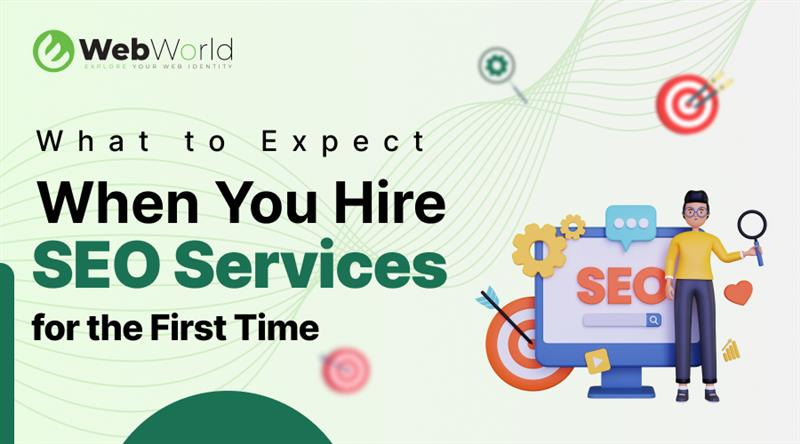
Hiring SEO services for the first time can feel overwhelming. With so many agencies, freelancers, and promises of top rankings, it’s easy to get lost in technical words, conflicting advice, or unrealistic expectations. But the truth is, SEO isn’t magic; it’s a strategic, step-by-step process that requires planning, execution, and patience.
For businesses, the stakes are high. Your website’s traffic, leads, and overall ROI depend not just on hiring a service but on choosing the right partner, understanding their workflow, and knowing what SEO services for small businesses to expect along the way. Without this clarity, even the best strategies can fall short, leaving you frustrated or skeptical about SEO altogether.
That’s why it’s important to go in with a roadmap. Knowing what happens during the first few months, what milestones to expect, and what early results are realistic can help you make informed decisions and get the most value from your investment.
In this guide, we’ll walk you through everything you should expect when you hire SEO services for the first time, from onboarding and setup to early wins, challenges, and tracking progress. By the end, you’ll have a clear understanding of the process and confidence in making your SEO partnership a success.
Understanding the Scope of SEO Services
One of the biggest misconceptions about SEO services is that they’re only about rankings. In reality, rankings are just the outcome of many moving parts working together. Strong SEO focuses on your website as a whole, as to how it’s built, how content is structured, how users interact with it, and how search engines interpret those signals.
Most professional SEO services typically include a mix of the following:
- Content strategy: identifying content gaps, improving existing pages, and aligning content with real search intent
- On-page optimization: optimizing page titles, meta descriptions, headings, internal links, and keyword placement
- Off-page SEO: building high-quality backlinks and strengthening your site’s authority
- Technical SEO: improving site speed, mobile usability, crawlability, indexing, and fixing errors like broken links or duplicate pages
- Tracking and reporting: monitoring traffic, rankings, engagement, and conversions through analytics tools
SEO services can also differ by provider. Some businesses work with full-service agencies that manage everything end-to-end, while others hire consultants or freelancers for specific tasks.
Understanding this scope upfront helps you set realistic expectations, avoid confusion, and ensure the SEO work directly supports your business goals, not just surface-level metrics.
The First Month: Onboarding & Setup
The first month of working with SEO services is all about groundwork. This is not the phase where rankings suddenly jump, but it is the most important stage for long-term success. A strong start here sets the direction for everything that follows.
In most cases, the first month focuses on research, analysis, and alignment. You can expect your SEO partner to work on:
- A comprehensive website audit, covering technical issues, existing content, backlinks, and overall site health
- Keyword research and strategy alignment, ensuring target keywords match your business goals and audience intent
- Goal setting and KPI definition, so success is measured beyond just rankings
- Analytics and tracking setup, including tools like Google Analytics and Google Search Console
This is also when access and communication matter most. You’ll likely be asked to share website credentials, CMS access, past marketing data, and business priorities. Providing these early helps avoid delays and confusion later.
A useful step many businesses overlook is asking for a clear roadmap. A simple timeline outlining what will be addressed first like technical fixes, content updates, or structural improvements, helps you understand the process and sets realistic expectations.
By the end of the first month, you should have clarity, not just activity: a defined strategy, measurable goals, and a clear plan for the months ahead.
Months 2–3: Implementation & Early Wins
Once the groundwork is in place, months two and three are where SEO services start moving from planning to execution. This is the phase where your SEO strategy begins taking shape and early improvements become visible, though not always dramatic.
At this stage, most SEO agencies focus on implementation. You’ll typically see work such as:
- Technical SEO improvements, including page speed optimization, mobile usability fixes, and resolving crawl or indexing issues
- On-page SEO updates, like improving page titles, meta descriptions, headings, and internal linking
- Content optimization, ensuring existing pages align with keyword research and real search intent
- Off-page SEO efforts, such as initial backlink building and authority signals
While major ranking jumps are still uncommon this early, many businesses begin noticing positive signals. These may include better crawlability, small improvements in Google rankings, increased impressions in Search Console, or early growth in organic traffic.
Tracking progress is critical during this phase. Your SEO service provider should regularly review SEO performance using tools like Google Search Console and analytics platforms, highlighting what’s working and what needs adjustment. Clear SEO reporting helps connect technical changes to measurable outcomes.
The key thing to remember is momentum. These early wins are not the final result, they’re proof that your search engine optimization efforts are moving in the right direction.
Common Challenges to Expect
Even with a solid strategy and consistent execution, growth isn’t perfectly linear. Certain challenges are not just common,they’re normal. Knowing what to expect prevents panic and keeps decisions grounded in data, not emotions.
Here are the realities most businesses face during this phase:
- Slow initial ranking improvements: Search engines take time to trust new optimizations and content, especially in competitive industries. Visibility often increases before rankings fully settle.
- Fluctuating keyword positions: It’s common for target and semantic keywords to move up and down in the early months as search engines test relevance and user response.
- Content that takes time to perform: Not every blog or landing page will gain traction immediately. Some pieces act as long-term assets rather than instant traffic drivers.
- Traffic without conversions (at first): Early SEO traffic may need UX, messaging, or offer refinement before it converts consistently. Visibility comes first; optimization follows.
- Technical limitations holding growth back: Legacy CMS issues, slow hosting, bloated themes, or plugin conflicts can limit performance even when SEO best practices are applied.
- Competitive pressure from established brands: Older websites with strong backlink profiles and domain authority can slow down ranking progress, even when your content is better.
- Impatience fueled by short-term metrics: Watching daily ranking changes or traffic spikes can lead to unnecessary strategy changes. SEO rewards consistency, not overreaction.
The key thing to remember: these challenges aren’t red flags. They’re signals that the process is working but still maturing. Brands that succeed are the ones that stick to the plan, adapt using real data, and resist the urge to chase shortcuts. That patience compounds faster than any “hack” ever will.
Months 4–6 & Beyond: When SEO Starts Compounding
This is the phase where SEO stops feeling like effort and starts behaving like an asset.
By months four to six, the groundwork laid earlier like technical fixes, content creation, keyword targeting, and optimization, begins to compound. Search engines have enough signals to trust the site, and performance becomes more predictable.
Here’s what businesses typically start noticing:
- Steadier ranking improvements: Primary keywords, along with related semantic keywords, begin holding positions instead of fluctuating daily. Pages don’t just rank, they stay ranked.
- Organic traffic that grows month over month: Instead of spikes, you see consistency. Blog posts start pulling traffic on their own, and service pages gain visibility for commercial-intent searches.
- Higher-quality traffic: Visitors arriving through search are more aligned with your offerings, which naturally improves engagement metrics like time on site and bounce rate.
- Better conversion performance from organic users: With optimized pages and clearer messaging, organic traffic begins converting more reliably, if that’s form fills, calls, or demo requests.
- Content starts ranking for multiple queries: A single well-optimized page can bring traffic from dozens of keyword variations, reducing reliance on one “main” keyword.
- Reduced dependence on paid ads: As organic visibility strengthens, businesses often rebalance budgets like using paid ads strategically instead of as a lifeline.
This is also when SEO services deliver their biggest psychological shift: marketing stops feeling like a monthly expense and starts behaving like long-term equity. Every blog published, every page optimized, every technical improvement continues working in the background, without additional spend. That’s the compounding effect. It is slow at first, then difficult to ignore.
As Google’s search results continue to evolve with AI-driven features, it’s important for businesses to understand how visibility is changing.
Also read: Google’s AI Overview and how it impacts search results
Conclusion & Next Steps — Is Hiring SEO Services the Right Move for You?
Hiring SEO services for the first time can feel like stepping into unfamiliar territory. There are timelines to understand, metrics to interpret, and expectations to manage. But as this guide shows, SEO isn’t chaos, it’s a structured, long-term process that rewards patience and consistency.
- In the first month, the focus is clarity: audits, strategy, and alignment.
- By months two and three, execution begins and early wins appear.
- From months four to six and beyond, SEO starts compounding like bringing steady traffic, stronger rankings, and higher-quality leads.
The key takeaway is simple: SEO services work best when treated as an investment, not a quick fix.
When done right, SEO doesn’t just improve visibility, it strengthens your entire digital foundation. It helps your content work harder, your website convert better, and your brand earn trust where it matters most: search results.
If you’re considering SEO services and want to start on the right foot, the smartest next step is a clear evaluation of where your website stands today.
At eWebWorld, we help businesses understand:
- What’s holding their organic growth back
- Which SEO opportunities will actually move the needle
- And what realistic growth looks like over the next 3–6 months
We don’t use very technical words or make inflated promises, but just give you a practical SEO roadmap built around your goals.
Get a first-time SEO evaluation with eWebWorld and see what’s possible before you commit.
People Also Ask
1. How long does it take to see results after hiring SEO services?
Early improvements usually appear in 2–3 months, while consistent traffic and lead growth often take 4–6 months. SEO builds momentum over time.
2. Are SEO services worth it for small or growing businesses?
Yes. SEO helps businesses grow sustainably by driving long-term organic traffic instead of paying for every click.
3. What should I provide my SEO agency during onboarding?
Access to analytics tools, business goals, target audience details, and priority services or products. Clear inputs help SEO move faster.
4. Can SEO services guarantee first-page rankings?
No. Any agency that guarantees rankings should be avoided. Proper SEO focuses on steady, measurable growth, not shortcuts.
5. How do I know if the SEO services are working?
Track organic traffic, keyword movement, click-through rates, and leads or conversions from search.
6. Is SEO a one-time project or an ongoing service?
SEO is ongoing. Search algorithms, competitors, and user behavior constantly change, requiring continuous optimization.

About The Author
Search
Popular Posts



Follow us

Recent Posts


About us
We have developed a recognition for Web Design, eCommerce websites, Customized web development, and Digital Marketing services over the years of experience.